



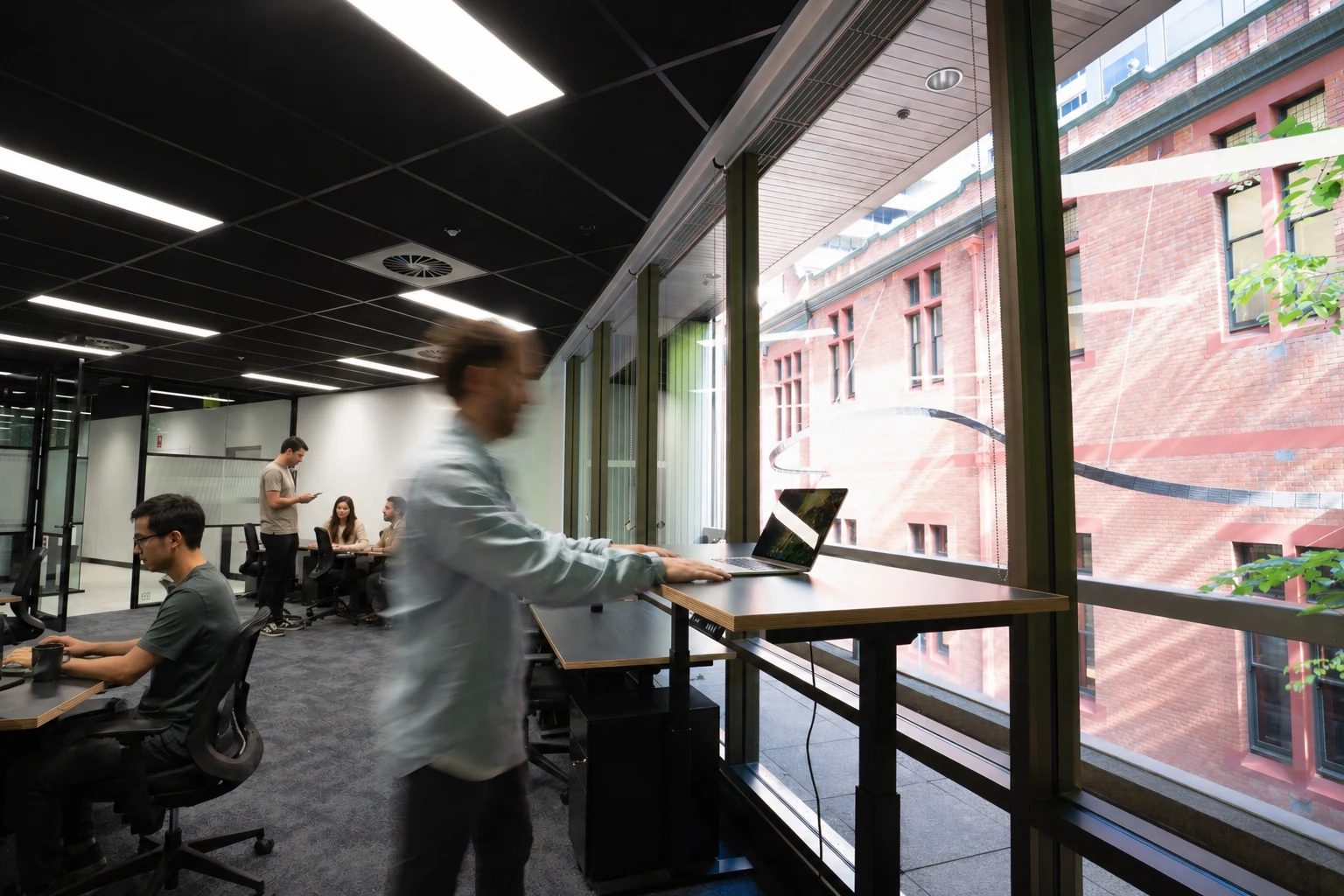
Flexible office space Australia is changing fast as small businesses look for smarter ways to balance office days, remote work, client meetings and team collaboration. In 2026, the best solution is not always a traditional lease. It is a workspace model that gives your team flexibility, professionalism and room to grow.
1. Serviced Private Offices and Coworking Spaces
Best for teams that need privacy, consistency and a professional base.
A serviced private office gives your team a dedicated workspace without the complexity of managing fit-out, utilities, cleaning, reception or day-to-day operations.
Why it works:
- Private, secure team environment
- Professional address
- Reception and guest support
- Access to meeting rooms
- Flexible lease terms for growing teams
This is the “walk onto the court ready to play” option – no setup drama, just performance.
2. Flexible Office Space Australia for Small Teams
Best for founders, consultants, creatives and lean teams.
Coworking gives businesses access to shared workspace, community, amenities and professional infrastructure without committing to a full-time office.
Why it works:
- Lower upfront commitment
- Great for flexible office space for small businesses
- Strong networking potential
- Useful for hybrid teams
- Ideal for coworking for SMEs and startups
3. Hybrid Office Setup Solutions
Best for teams splitting time between home and office.
A hybrid office membership gives staff access to workspace when they need it, without paying for desks that sit empty.
Why it works:
- Supports part-time office attendance
- Reduces wasted space
- Improves collaboration days
- Helps maintain culture
- Strong hybrid office setup solution
4. Private Offices With Meeting Rooms and Reception
Best for professional services firms.
Law firms, finance teams, consultants and agencies often need more than desks. They need credibility, privacy, client-facing rooms and front-of-house support.
Why it works:
- Client-ready meeting rooms
- Reception support
- Professional arrival experience
- Quiet spaces for focused work
- Better productivity and collaboration for professional services firms
5. Virtual Office Memberships
Best for remote-first businesses that still need presence.
A virtual office gives your business a professional address and support services without requiring a full-time physical office.
Why it works:
- Professional business address
- Mail handling
- Optional meeting room access
- Lower cost base
- Ideal for remote or interstate teams
6. Day Offices
Best for project work, interviews and team sprints.
Day offices are perfect when your team needs a private room for a short burst of work without committing to a permanent office.
Why it works:
- Book only when needed
- Great for interviews or planning days
- Private and focused
- No long-term commitment
- Supports flexible team rhythms
7. Meeting Room Packages
Best for teams that work remotely but meet regularly.
If your team only needs physical space for client meetings, workshops or board sessions, meeting room packages can be a smart middle ground.
Why it works:
- Professional client experience
- Predictable meeting access
- Better than cafés or hotel lobbies
- Supports collaboration without fixed desks
- Useful for operations managers managing cost
8. Project Suites
Best for growing teams, campaigns and temporary expansion.
Project suites give teams a dedicated workspace for a defined period, often used for product launches, client delivery, recruitment drives or short-term growth.
Why it works:
- Flexible term structure
- Scalable team space
- Private and branded feel
- Useful for fast-moving projects
- Avoids traditional lease lock-in
9. Multi-Location Workspace Access
Best for teams operating across cities.
For businesses with staff, clients or partners in multiple Australian locations, multi-location access gives teams the ability to work closer to where business happens.
Why it works:
- Supports distributed teams
- Reduces travel friction
- Improves convenience
- Strengthens hybrid work
- Gives growing teams national flexibility
How to Choose the Right Flexible Office Solution
Before choosing a workspace, ask:
- How many days per week will the team actually use the office?
- Do we need private offices or shared workspace?
- How often do we host clients?
- Do we need reception support?
- Are meeting rooms included or charged separately?
- Can we scale up or down easily?
- Does the space support hybrid work properly?
Businesses should also consider employee flexibility policies and hybrid work expectations. The Fair Work Ombudsman has guidance on flexible working arrangements for Australian employers and employees.
The best workspace is not always the biggest or most expensive. It is the one that gives your team the right mix of flexibility, professionalism, focus and momentum.
For small businesses, the winning play in 2026 is simple: stay agile, keep overheads controlled, and choose a workspace that helps the team perform.
That is where serviced private offices and coworking spaces in Australia can give growing teams the edge – without locking them into yesterday’s office model.