

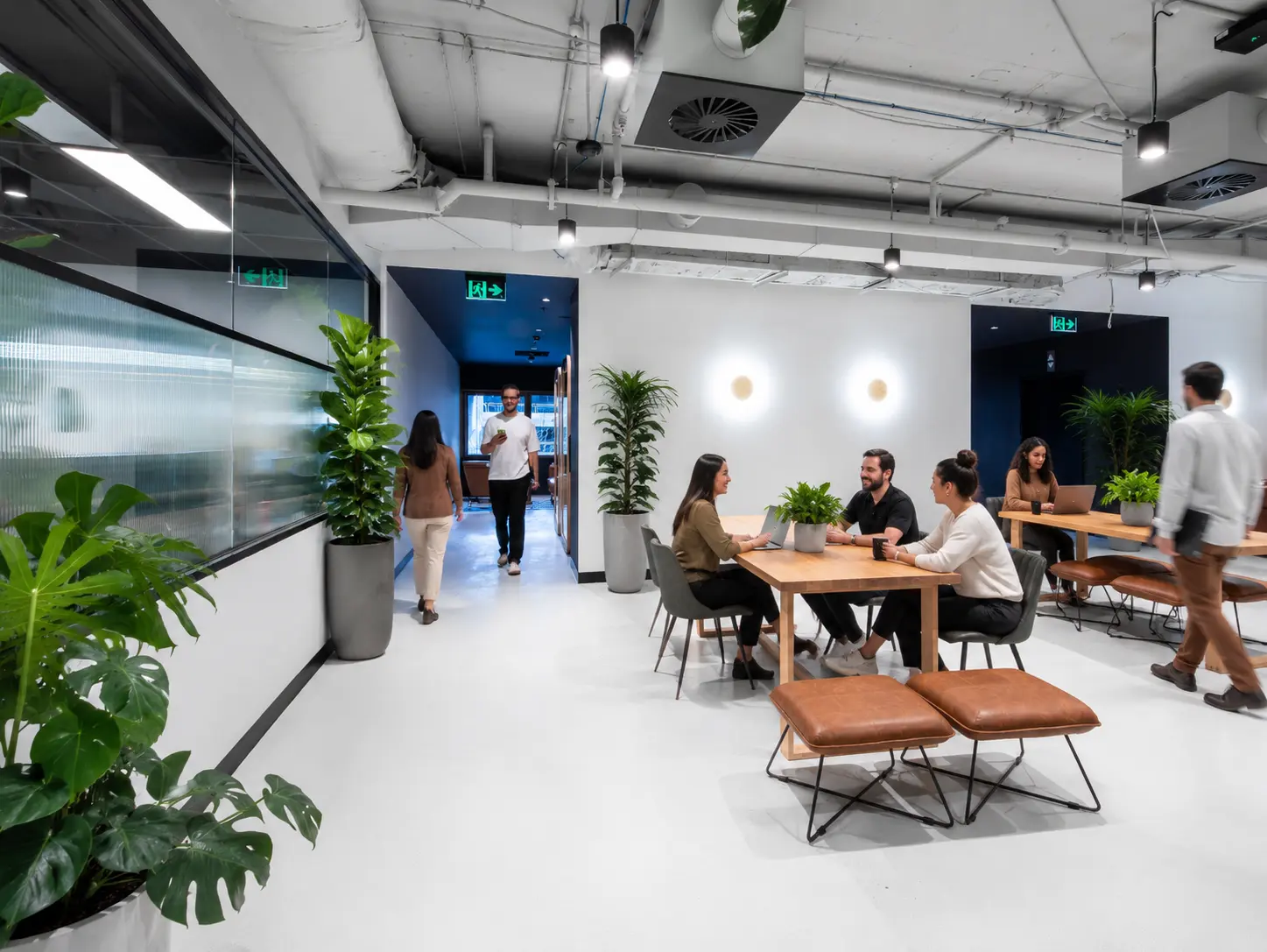
About Coworking Spaces in Australia
Choosing between coworking spaces in Australia is not simply a property decision. It is a decision about how, where and around whom you will do your best work.
For a freelancer, the right environment can improve focus, routine and access to new opportunities. For a growing small business, it can provide the space, services and flexibility needed to build momentum without becoming locked into an office that no longer fits six months later.
However, coworking spaces are not all designed, operated or supported in the same way. A polished reception area may make a strong first impression, but the real value sits deeper: reliable infrastructure, responsive service, useful amenities, commercial flexibility and a community that helps people perform.
Before signing an agreement, ask the following questions. Think of it like recruiting a key player. You are not just looking for talent on paper. You are looking for the right fit, the right support system and the ability to grow with the team.
1. Is the location convenient for my team and clients?
Start with how the location works in the real world.
Consider where your team lives, how often clients visit and whether the space is close to public transport, parking, cafés and other everyday services. A lower monthly fee can quickly lose its appeal if every visit creates extra travel time, parking stress or friction for clients.
Ask:
- Is the workspace easy to reach by public transport?
- Is secure bicycle storage available?
- Are parking options available nearby?
- Does the location present the right image for our business?
- Can clients find and access the building easily?
- Are there useful amenities within walking distance?
The best location is not necessarily the closest one. It is the location that removes friction for the people who matter most to your business.
2. Does the workspace suit the way I actually work?
A productive space should match your working rhythm, not force you into someone else’s.
Some people thrive in energetic shared areas. Others need privacy, quiet zones or a dedicated office for concentrated work. Creative freelancers may want a mix of open collaboration, breakout space and rooms for client presentations. Small teams may need private offices supported by shared amenities.
Ask whether the workspace offers:
- Private offices
- Dedicated and casual desks
- Quiet areas for focused work
- Phone booths for private calls
- Meeting and boardrooms
- Breakout and collaboration areas
- Day offices or short-term project rooms
- Event spaces for presentations or community gatherings
Tour the space during a normal working day if possible. A showroom tour can demonstrate the design. A live visit reveals the noise level, energy, occupancy and day-to-day experience.
3. What is included in the membership price?
Compare total value, not just the advertised monthly rate.
One membership may include utilities, internet, furniture, cleaning, reception support and meeting-room credits. Another may charge separately for several of those services. The lower headline price can become the more expensive option once regular extras are added.
Ask for a clear breakdown of:
- Internet and utilities
- Furniture and office setup
- Cleaning and maintenance
- Meeting-room access or credits
- Printing and scanning
- Reception or mail-handling services
- Kitchen facilities, tea and coffee
- After-hours access
- Storage
- Guest access
- Parking
- Events and community programs
Make sure you understand the full monthly cost based on how you will genuinely use the space.
4. How flexible are the membership terms?
Flexibility is one of the strongest reasons businesses choose coworking spaces in Australia. Still, the word can mean different things between operators.
Ask:
- What is the minimum commitment?
- How much notice is required to leave or change plans?
- Can we add or remove desks as our team changes?
- Can we move into a larger office within the network?
- Are short-term project spaces available?
- What deposit or bond is required?
- Are there setup, exit or restoration fees?
- What happens if our needs change before the agreement ends?
A growing business needs room to adjust. Your workspace should support movement, not punish it.
5. Can the workspace grow with my business?
Your current requirement is only one frame in the film. Consider what the business may need in six, 12 or 24 months.
Small business coworking works best when members can grow without repeatedly relocating, rebuilding infrastructure or disrupting their team. Ask whether you can progress from a casual desk to a dedicated desk, then into a private office or a larger suite.
Also ask whether the operator has multiple locations. Access to a broader network can support new hires, interstate travel, distributed teams and expansion into new markets.
Look for a workspace partner that can accommodate your next move, not just your first one.
6. Will the environment support productivity?
Design matters, but productivity depends on more than good-looking furniture.
Assess the lighting, acoustics, temperature, seating, desk setup and availability of quiet areas. Pay attention to whether meeting rooms and phone booths appear readily available or constantly occupied.
For freelancer productivity and team performance, ask:
- Is the internet fast, stable and supported?
- Are there quiet zones for concentrated work?
- Are private call spaces easy to access?
- Is the furniture comfortable for a full working day?
- Is there enough natural light?
- How are noise and interruptions managed?
- Can members reliably book rooms when needed?
- Is technical or operational support available onsite?
The right workspace should help you get into rhythm quickly and stay there.
7. How reliable is the technology?
Fast internet should be the starting point, not the full technology story.
Ask about connection speeds, network reliability, redundancy and how technical issues are handled. If your business regularly hosts video calls, transfers large files or uses cloud-based systems, test the connection during your tour.
You may also need to ask about:
- Secure networks and guest Wi-Fi
- Private network options
- Wired connections
- Audio-visual equipment in meeting rooms
- Video-conferencing capability
- Printing and scanning
- Access control and building security
- IT support and response times
Technology should operate like a good referee. It does its job quietly, keeps everything moving and rarely becomes the story.
8. What community exists beyond the shared address?
Community is often promoted as a benefit of flexible workspaces, but genuine community takes more than putting people in the same room.
Ask how the operator introduces members, communicates opportunities and creates useful connections. Look for a considered mix of social events, educational sessions, business introductions and informal interaction.
Useful questions include:
- What types of businesses and professionals work here?
- How are new members introduced to the community?
- Are there regular networking or educational events?
- Does the team facilitate relevant business introductions?
- Are events included in membership?
- Can members promote their services or expertise?
- Are there opportunities to collaborate across locations?
For creative freelancers and small businesses, the right community can lead to referrals, partnerships, suppliers, clients and fresh ideas. The strongest communities create value without making networking feel like another meeting in the calendar.
9. What business growth support is available?
A desk gives you somewhere to work. A strong coworking platform can give your business more ways to move forward.
Ask whether members receive access to business growth support such as:
- Expert workshops and educational events
- Founder or leadership communities
- Member introductions and referral opportunities
- Content, media or promotional opportunities
- Business services and preferred partner offers
- Event venues and activation support
- Mentoring or peer connection
- Access to new markets through other locations
Not every member will use every service. The important question is whether meaningful support exists when your business needs it.
10. How does the team support members day to day?
The onsite team can shape the entire experience.
Meet the people who will manage the location. Observe how they interact with members and respond to questions. Strong operators combine hospitality with practical problem-solving. They notice issues early, communicate clearly and take ownership.
Ask:
- Is there an onsite team during business hours?
- Who handles operational or technical issues?
- How quickly are member requests usually resolved?
- Can the team help welcome guests or receive deliveries?
- Is support available across multiple locations?
- How is member feedback collected and acted upon?
Beautiful spaces attract attention. Great people build loyalty.
11. Are the meeting rooms practical and available?
Meeting rooms often look impressive during a tour. Availability is what matters once you become a member.
Ask how rooms are booked, how far in advance you can reserve them and whether there are limits or additional fees. Review the range of room sizes and the quality of the technology provided.
Consider:
- How many meeting rooms serve the member population?
- Are room credits included?
- What are the hourly rates beyond the allowance?
- Can external guests attend easily?
- Are rooms equipped for video calls and presentations?
- What is the cancellation policy?
- Are boardrooms or larger event spaces available?
If client meetings are central to your work, meeting-room access should be treated as a core requirement rather than a bonus.
12. What access, security and privacy measures are in place?
Flexible workspaces bring different businesses together, which makes sensible security essential.
Ask about building access, visitor procedures, surveillance, lockers and after-hours support. Businesses working with confidential information should also assess visual privacy, acoustic privacy and secure connectivity.
Questions may include:
- Is access controlled by a pass, card or mobile credential?
- Can access be removed immediately when a team member leaves?
- Are visitors registered?
- Are private offices individually secured?
- Are lockers or secure storage available?
- How is confidential waste handled?
- What emergency and after-hours procedures apply?
The standard required will depend on your industry, clients and internal policies.
13. What is the real member experience?
Marketing shows the promise. Current members can reveal the delivery.
Read recent reviews and look for patterns involving service, cleanliness, internet reliability, noise, maintenance and community. If appropriate, ask whether you can speak with a member whose business is similar to yours.
During the tour, notice the basics:
- Does the space feel clean and well maintained?
- Do members appear comfortable and engaged?
- Does the team know members by name?
- Are shared areas functioning well?
- Does the atmosphere match the brand’s claims?
No workspace will be perfect every minute. What matters is whether the operator consistently responds, improves and delivers on its commitments.
14. Does the workspace fit our brand and culture?
Your workspace communicates something about your business to employees, clients and partners.
A corporate advisory firm may prioritise privacy, presentation and boardroom access. A creative studio may value energy, visual character and collaboration. A growing technology team may need flexibility, strong connectivity and space to scale rapidly.
Ask yourself:
- Would we feel proud bringing clients here?
- Will our team feel comfortable and motivated?
- Does the environment reflect how we want to work?
- Is the community relevant to our stage and ambitions?
- Can we make a private office feel like our own?
The right fit should strengthen your culture without forcing your brand into the background.
15. Can I trial the space before committing?
A trial day can answer questions that a brochure cannot.
Use the time to test the commute, internet, acoustics, room availability, amenities and general atmosphere. Work through a normal schedule rather than treating the visit like a social call.
If a full trial is unavailable, ask about a day pass, casual desk or short initial term. A small test can prevent a larger mismatch.
A simple coworking space comparison checklist
Before making your decision, score each workspace against the factors that matter most to your business:
- Location and accessibility
- Total monthly cost
- Membership flexibility
- Workspace types and availability
- Internet and technology
- Meeting rooms
- Privacy and security
- Onsite support
- Community quality
- Business growth support
- Ability to scale
- Brand and cultural fit
Avoid giving every category equal weight. Select your five non-negotiables first. This keeps an attractive rooftop or excellent coffee from outranking the things your business genuinely needs to perform.
Choose a workspace that creates momentum
The strongest coworking spaces in Australia offer more than flexible access to desks and offices. They bring together productive environments, responsive teams, useful infrastructure and communities designed to help businesses connect and grow.
For freelancers, that can mean greater structure, professional facilities and less isolation. For small businesses, it can mean a faster setup, a better experience for the team and the flexibility to scale without carrying the burden of a traditional office.
CreativeCubes.Co creates flexible workspaces where ambitious people and businesses can do their best work. With private offices, coworking memberships, meeting rooms, event spaces and a connected business community, members can choose the setup that fits today and adapt as tomorrow takes shape.
Ready to find your fit? Explore CreativeCubes.Co locations or book a tour to experience the workspace, meet the team and see how the community can support your next stage of growth.
Frequently asked questions about coworking spaces in Australia
What should I look for in a coworking space?
Look beyond appearance and compare location, total cost, internet reliability, meeting-room access, privacy, membership terms, onsite support and the ability to scale. The best coworking space is one that fits how you work now while supporting where your business is heading.
Are coworking spaces suitable for small businesses?
Yes. Small business coworking can provide private offices, meeting rooms, business-grade technology and operational support without the setup demands of a traditional lease. Flexible terms can also make it easier to adjust space as the team grows or changes.
How can coworking improve freelancer productivity?
Coworking can give freelancers a more structured routine, fewer home-based distractions and access to professional meeting facilities. Quiet zones, reliable technology and interaction with other professionals may also support focus, motivation and connection.
Are coworking spaces only for startups and creative freelancers?
No. Coworking spaces serve freelancers, startups, small businesses, project teams, professional firms and larger organisations. The key is choosing a workspace with the privacy, services, atmosphere and flexibility appropriate for your work.
What is usually included in a coworking membership?
Inclusions vary by operator and plan. Common inclusions may cover a workspace, internet, utilities, furniture, cleaning, kitchen amenities and community events. Meeting rooms, printing, mail handling, parking and after-hours access may be included, limited or charged separately.
Is coworking more flexible than a traditional office lease?
Coworking memberships commonly offer shorter commitments and simpler ways to add or remove space than conventional commercial leases. Terms still vary, so check the minimum period, notice requirements, deposit, exit costs and options to move within the operator’s network.
Can I use a coworking space as my business address?
Many operators offer business address, mail-handling or virtual office services, but availability and conditions differ. Confirm whether the address can be used for business registration, marketing and mail, and ask what handling or collection fees apply.
Can I try a coworking space before joining?
Many flexible workspaces offer tours, day passes, casual access or trial options. Working from the location for a day is one of the most effective ways to assess the commute, noise, connectivity, facilities and overall member experience.